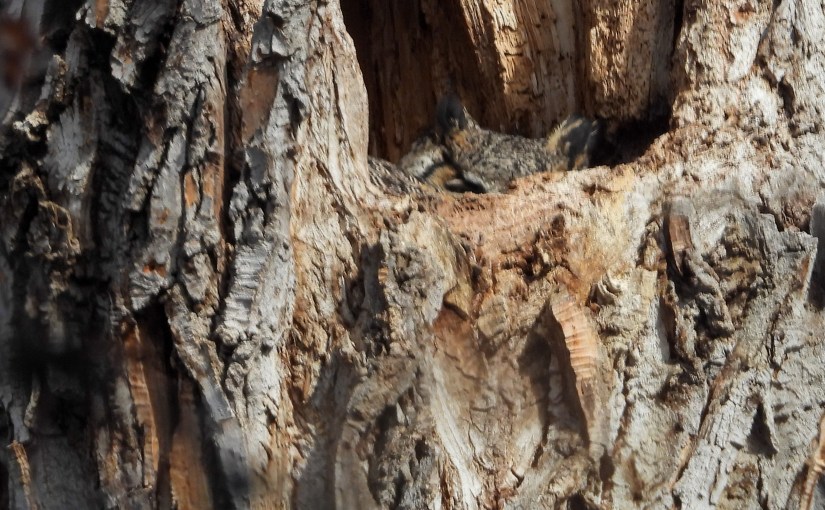
Project 366 – Post No. 336 – Mom and pops Great Horned Owls are back

What is Project 366? Read more here.

March 1 and mom and pops Great Horned owl team is back in their cavernous tree down in the Whitemud Ravine. This couple are a bit of celebrities and people flock to their tree to watch them snooze. Last year they raised a pair of fluffy chicks using the same nesting location. I wrote several posts about the event: here, here, here and here. Assuming there female is sitting on eggs (or will be shortly) based on last year’s time line we are probably not going to see any owlets until end of April or beginning of May at least. So we are in for a bit of a waiting game.

May the curiosity be with you. This is from “The Birds are Calling” blog (www.thebirdsarecalling.com). Copyright Mario Pineda.
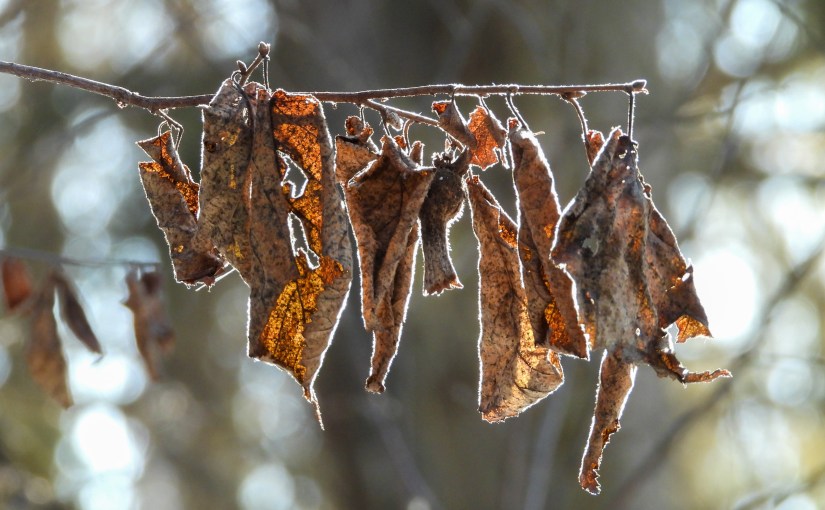
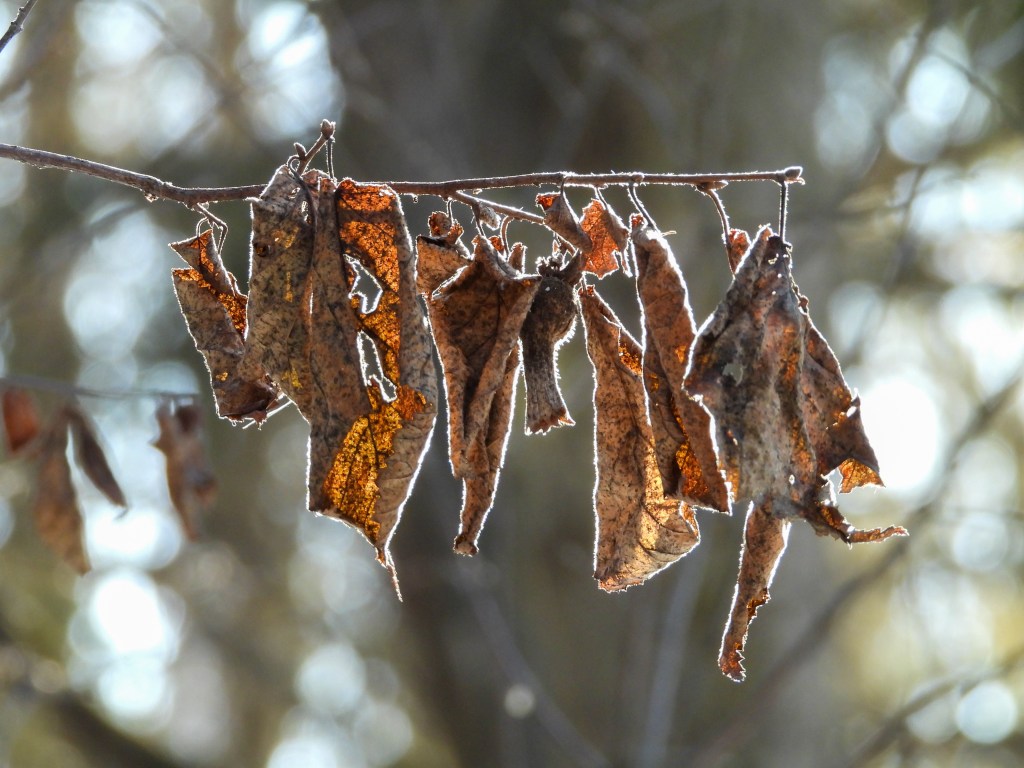
Project 366 – Post No. 335 – Longer days

What is Project 366? Read more here.

The number of hours of daylight is not noticeably longer than just a few weeks ago. Currently the length of time between sunrise and sunset is increasing by about 4 minutes and 13 seconds every day. By the end of the month the days will be 4 minutes and 14 minutes longer every day. The season changes are happening fast now. The changes are also evident in the behavior of the local birds with more song, starting to prep nests and more social interactions in species that normally are solitary. Breeding season is definitely coming up. It will be interesting to see how long it will take before the first returning migrant show up…, and who it will be.

May the curiosity be with you. This is from “The Birds are Calling” blog (www.thebirdsarecalling.com). Copyright Mario Pineda.

Project 366 – Post No. 334 – Downy Woodpecker tail

What is Project 366? Read more here.

I came across this female Downy Woodpecker that was thoroughly enjoying the sunflower seeds someone had left on a stump at the Grey Nun Spruce Woodlot in St. Albert. I managed to snap the following picture that nicely illustrates why woodpeckers have stiff tail feathers. Woodpeckers commonly use their tails for support when their are climbing or working on trees. This behavior is possible as a result of adaptations such as pointed, strong and rigid tail feathers and larger and stronger tail bone, lower vertebrae and the tail’s supporting muscles in comparison to other birds.

May the curiosity be with you. This is from “The Birds are Calling” blog (www.thebirdsarecalling.com). Copyright Mario Pineda.