Project 366 – Post No. 237 – Boreal epiphytes

What is Project 366? Read more here.

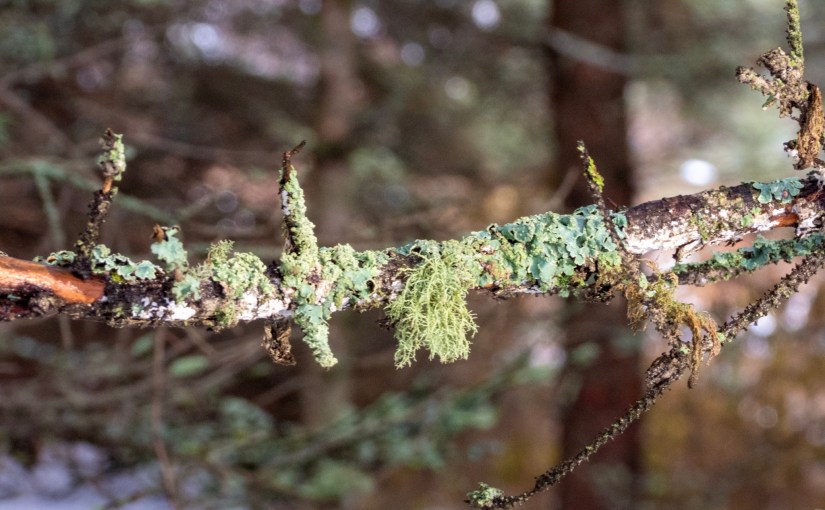
An epiphyte is an organism that grows on the surface of a plant and derives its moisture and nutrients from the air, rain, water or from debris accumulating around it. While epiphytes in the tropics are know to be rather splendid in size and diversity the boreal zone has its fair share of epiphytic organisms as well. They may not be as charismatic as their tropical counterparts, but they are just as beautiful. This naked branch of a pine, that is no more than a foot in length, is covered in at least two different types of lichens and a bit of moss as well. While it is getting crowded on the branch, when it comes to lichens, things happen very slowly due to their slow rate of growth.

May the curiosity be with you. This is from “The Birds are Calling” blog (www.thebirdsarecalling.com). Copyright Mario Pineda.

Project 366 – Post No. 236 – Weasel tracks

What is Project 366? Read more here.

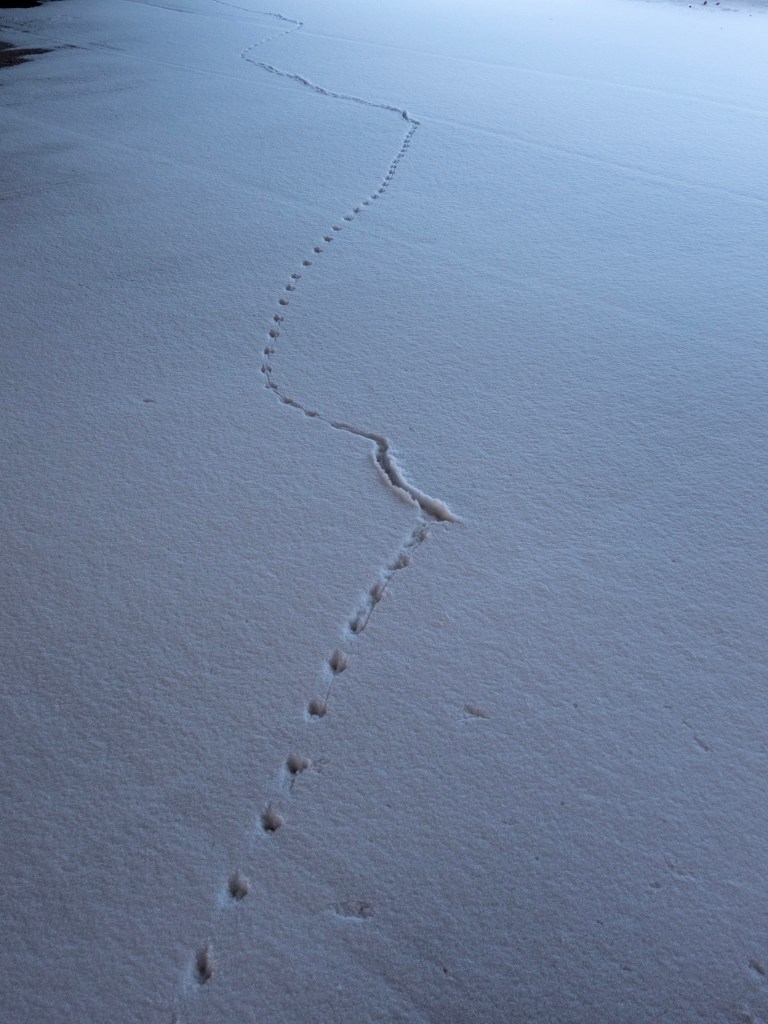
On the concrete embankment under the Fox Drive overpass across the Whitemud Creek fresh snow has blown on and covered the concerted in a pristine thin and fluffy layer of fresh snow. A series of animal track Crossed the snow diagonally. The tracks looked fresh so I tried to follow them for a bit but they disappeared into the shrubbery and were lost. There are not many choices in terms of who could have made the tracks. Size-wise they could be squirrel tracks but are missing the imprint of the long forepaw and they are too large for a vole. I suspect they were made by a weasel, likely a least weasel.

May the curiosity be with you. This is from “The Birds are Calling” blog (www.thebirdsarecalling.com). Copyright Mario Pineda.

Project 366 – Post No. 235 – Creek view

What is Project 366? Read more here.

Last week weekend the time changed back to winter time. As a result darkness falls even earlier now, making it difficult to do any nature walks in the afternoons during the week. This picture was taken at around 3:30 in the afternoon with the sun already starting to set behind the tree tops. The earliest I would be able to reach this spot during the week would be around 5 pm, at which point darkness is falling and there would be no possibility to take any pictures. We are currently about one month away from winter solstice (December 21) so the darkness will get worse first, before things will start to move in the opposite direction.

May the curiosity be with you. This is from “The Birds are Calling” blog (www.thebirdsarecalling.com). Copyright Mario Pineda.
Project 366 – Post No. 234 – Snowy nest

What is Project 366? Read more here.

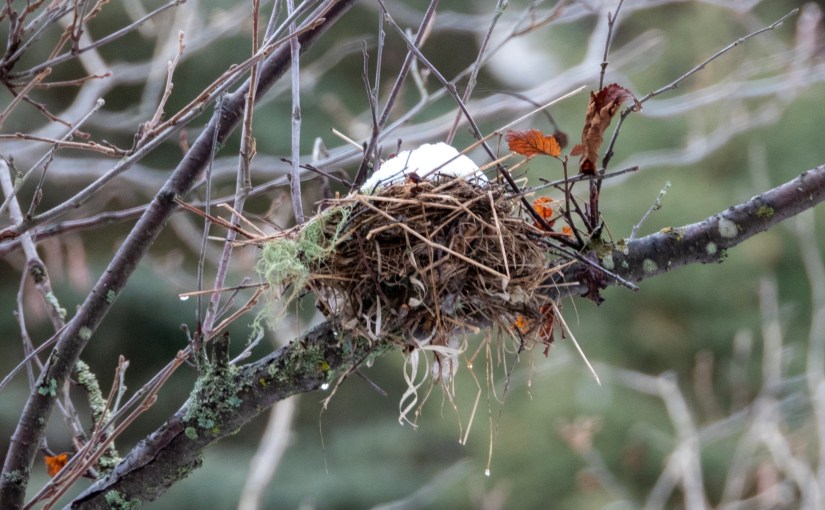
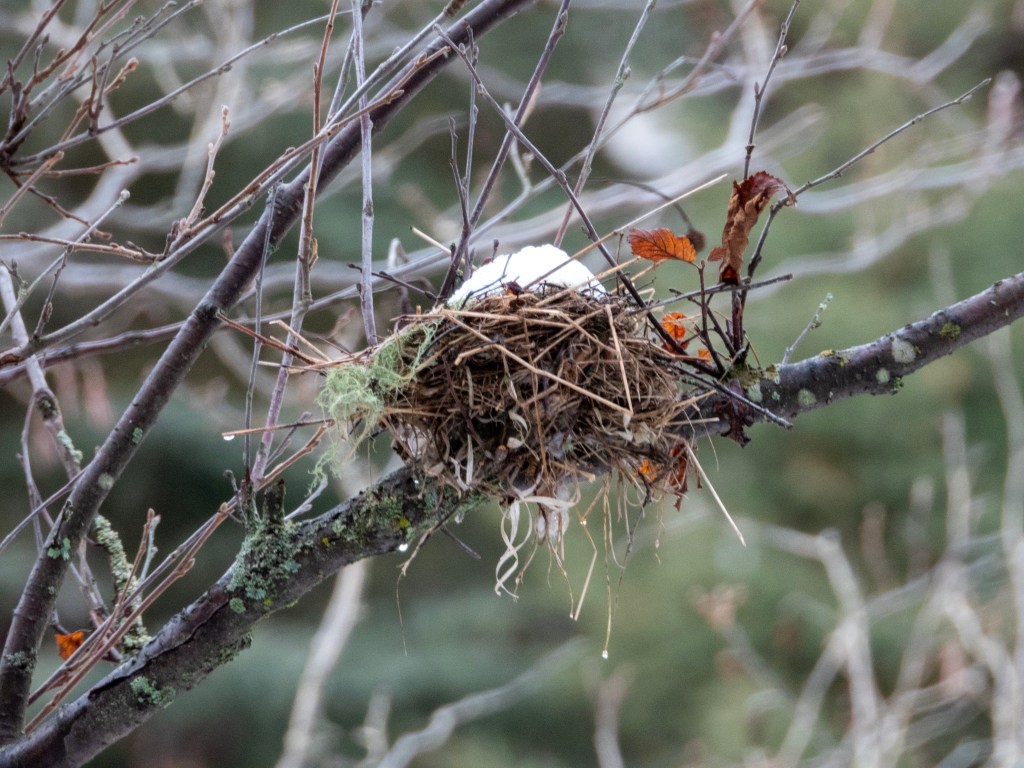
In a naked tree right by the Whitemud Creek, along a sinuous bend in the creek, an abandoned bird’s nest is clinging perilously to a branch that seems to be far to narrow for it to balance on it. It must have been a prime real estate location during the summer, with a view of the creek and beavers frolicking in the waters below. One can still see lichen that was used for insulation and warmth sticking out of the nest. The nest is now covered in snow and I have my doubts whether it will survive the winter storms and the weight of heavy snow.

May the curiosity be with you. This is from “The Birds are Calling” blog (www.thebirdsarecalling.com). Copyright Mario Pineda.
Project 366 – Post No. 233 – Tracks in the snow

What is Project 366? Read more here.

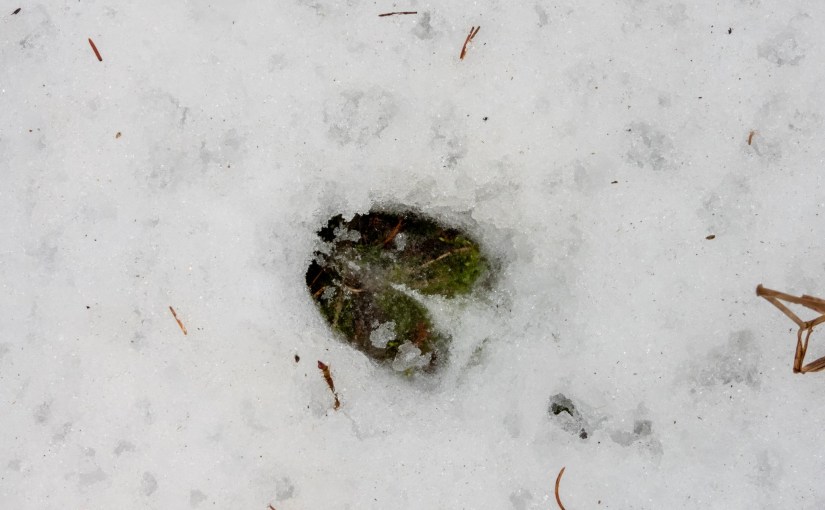
Snow usually is seen as something that covers things up. It covers up my driveway every time it snows, and then I have to spend time and energy removing it. In the forest, however, snow reveals who has been there and where they went. The Whitemud Ravine is, as the name suggests, a ravine so the ability for wildlife to move around is limited. Any long distance movement will pretty much have to be along the relatively narrow shape of the ravine. I am not sure if this is the reason, but I have never seen so many animal tracks crisscrossing the forest floor as in the Whitemud Ravine. Most of them are relatively easy to identify, squirrels, hares, weasels, and coyote. The track in the picture is from a deer. Other than squirrels and voles I have not actually seen any other mammals in the ravine, but the tracks reveal that when the humans are not watching the forest is bustling with activity.

May the curiosity be with you. This is from “The Birds are Calling” blog (www.thebirdsarecalling.com). Copyright Mario Pineda.
Project 366 – Post No. 232 – Phase transition in the wild

What is Project 366? Read more here.

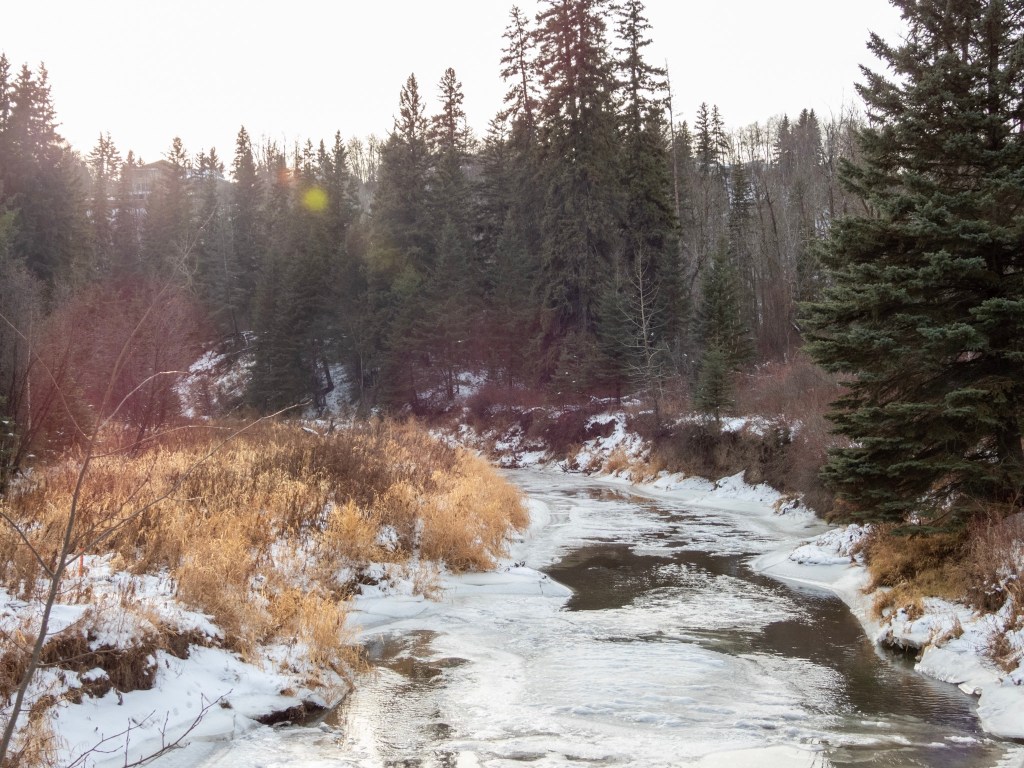
A phase transition is the transformation of a thermodynamic system from one phase or state of matter to another one by heat transfer. The term is most commonly used to describe transitions between solid, liquid and gaseous states of matter, and, in rare cases, plasma. The only type of phase transition one is likely to encounter in these neck of the woods at this time of the year is between the liquid and solid state in water. As a matter of fact the shoulder seasons tend to be a lot of going back and forth between ice and liquid water. The last few days have been milder and the ice that formed on the creek last week is now melting. As a result the water level has increased and the creek is flowing noticeably faster.

May the curiosity be with you. This is from “The Birds are Calling” blog (www.thebirdsarecalling.com). Copyright Mario Pineda.
Project 366 – Post No. 231 – Snacktime

What is Project 366? Read more here.

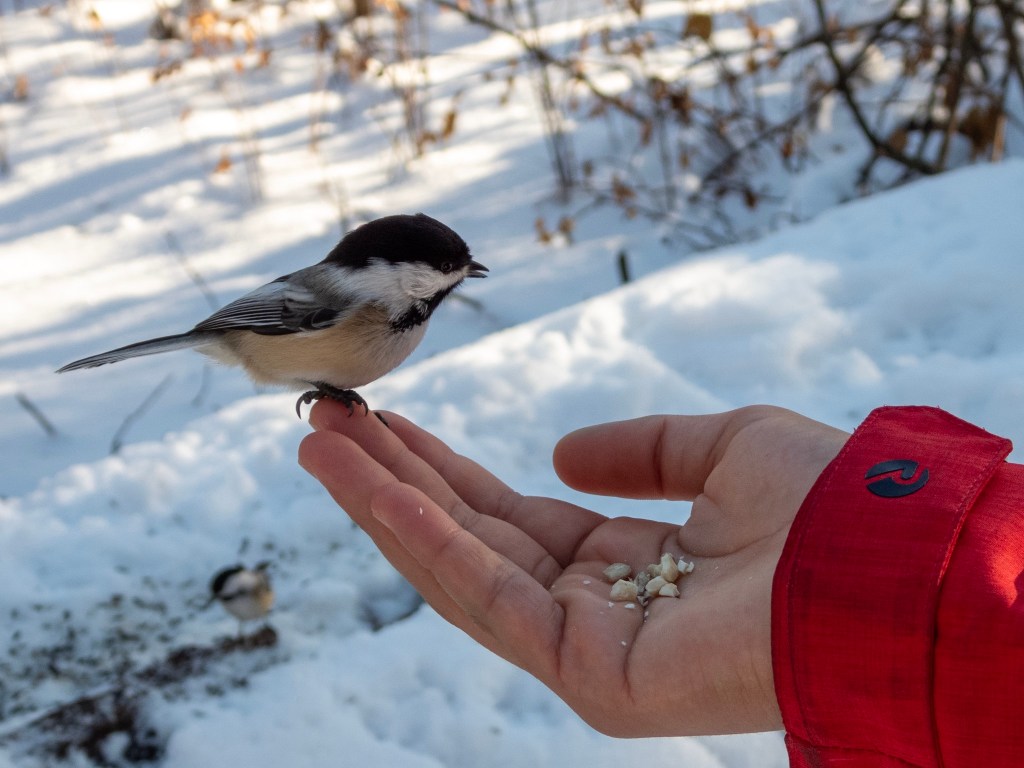
At this time of the year there seems to only be one single thing on the mind of the Black-capped Chickadees…, food. They seem to spend all their time looking for food and feeding and clearly view us humans as a source of food. A 1992 study estimated that chickadees, and similar small birds, need about 10 kcal per day to survive. Chickadees consume a wide range of food stuffs, including insects and seeds. One of their favorite treats, particularly this time of year, are sunflower seeds. According to my calculation a single hulled sunflower seed has on average 0.29 kcal (100 grams of sunflower seeds has 585 kcal, which corresponds to approximately 2000 hulled seeds…, the rest is math). This little fella was thoroughly enjoying his snack and in the pan of a few minutes came by about 10 times to pickup another seed. That means he got about a third of its daily energy intake from the snack we brought. Here is more food for though. An adult chickadee weights about 10 grams and this adult birder weights about 8000 times more. If I would have the same daily per gram energy requirements as the chickadee my total daily energy requirement would be 80000 kcal, about 30 times what it actually is. I would get all my energy from sunflower seeds I would have to consume almost 14 kg of hulled sunflower seeds every day. There is some food for thought. Fortunately metabolic rates in warm-blooded animals does not scale linearly, but that is a different story.

May the curiosity be with you. This is from “The Birds are Calling” blog (www.thebirdsarecalling.com). Copyright Mario Pineda.

Project 366 – Post No. 230 – Holiday spirit in the wild

What is Project 366? Read more here.

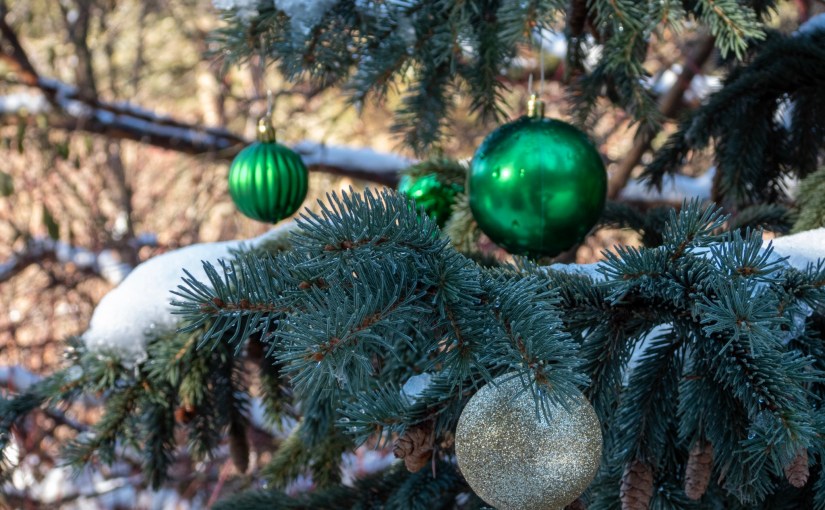
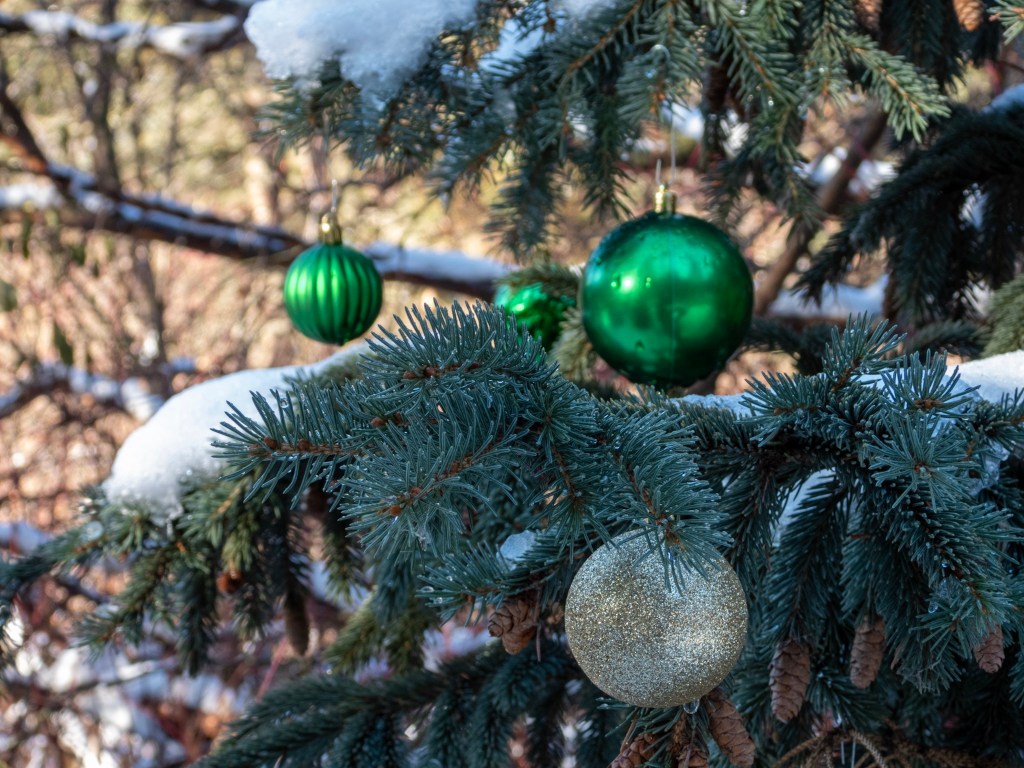
Sometimes you come across odd, unexpected and out of place things in the forest. Like for example a fir tree with holiday decorations in the middle of the forest. Whoever put up the decorations, did they do it for others to find it and be confused? It is certainly an odd thing to do. Is the person coming back after the holidays to remove the decorations? Only time will tell.

May the curiosity be with you. This is from “The Birds are Calling” blog (www.thebirdsarecalling.com). Copyright Mario Pineda.
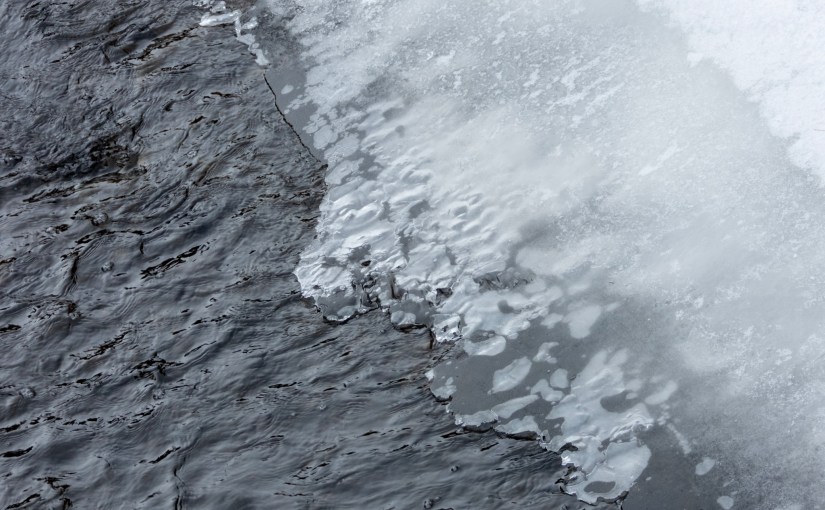
Project 366 – Post No. 229 – Ice pancakes

What is Project 366? Read more here.

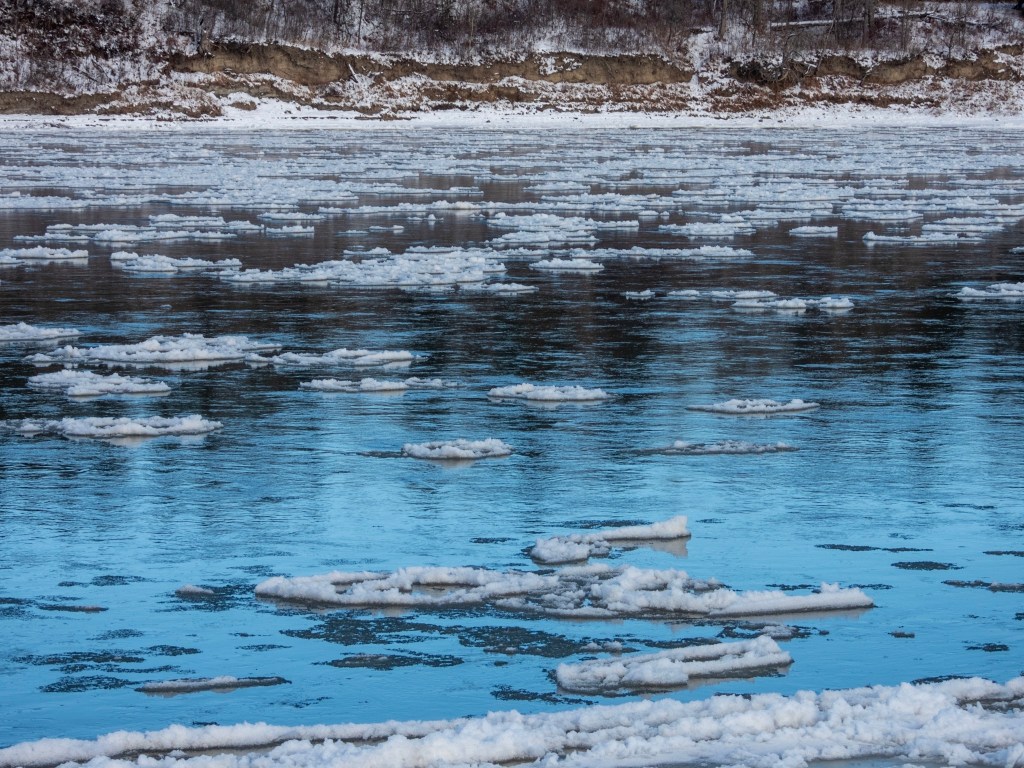
I heard a rumor on the CBC radio morning show that there were ice pancakes in the North Saskatchewan River. Well, there is nothing else to do other than hurrying down to the river to check it out for myself. With the current frigid temperatures it will likely not be long before the river freezes over completely. Indeed, the river was full of ice pancakes drifting rapidly downstream. Under normal conditions, i.e. in the absence of ice pancakes, the flow of the water in river appears deceptively slow. The speed, however, at which the ice floes were moving downstream was quite remarkable and not expected. Ice pancakes (or pancake ice) is a form of ice that consists of round pieces of ice with ranging in diameter from 30 centimeters (12 in) to 3 meters (9.8 ft). The pancakes in the North Saskatchewan river were on the smaller size with most of them being around 1 meter in diameter. With more snow in the forecast, I guess this will be the proverbial icing on the cake.

May the curiosity be with you. This is from “The Birds are Calling” blog (www.thebirdsarecalling.com). Copyright Mario Pineda.
Project 366 – Post No. 006 – Black-capped Chickadee

What is Project 366? Read more here!

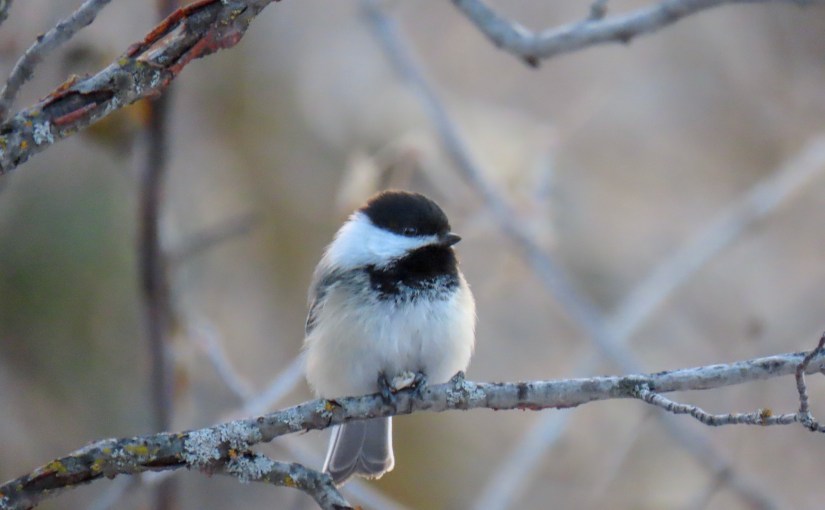
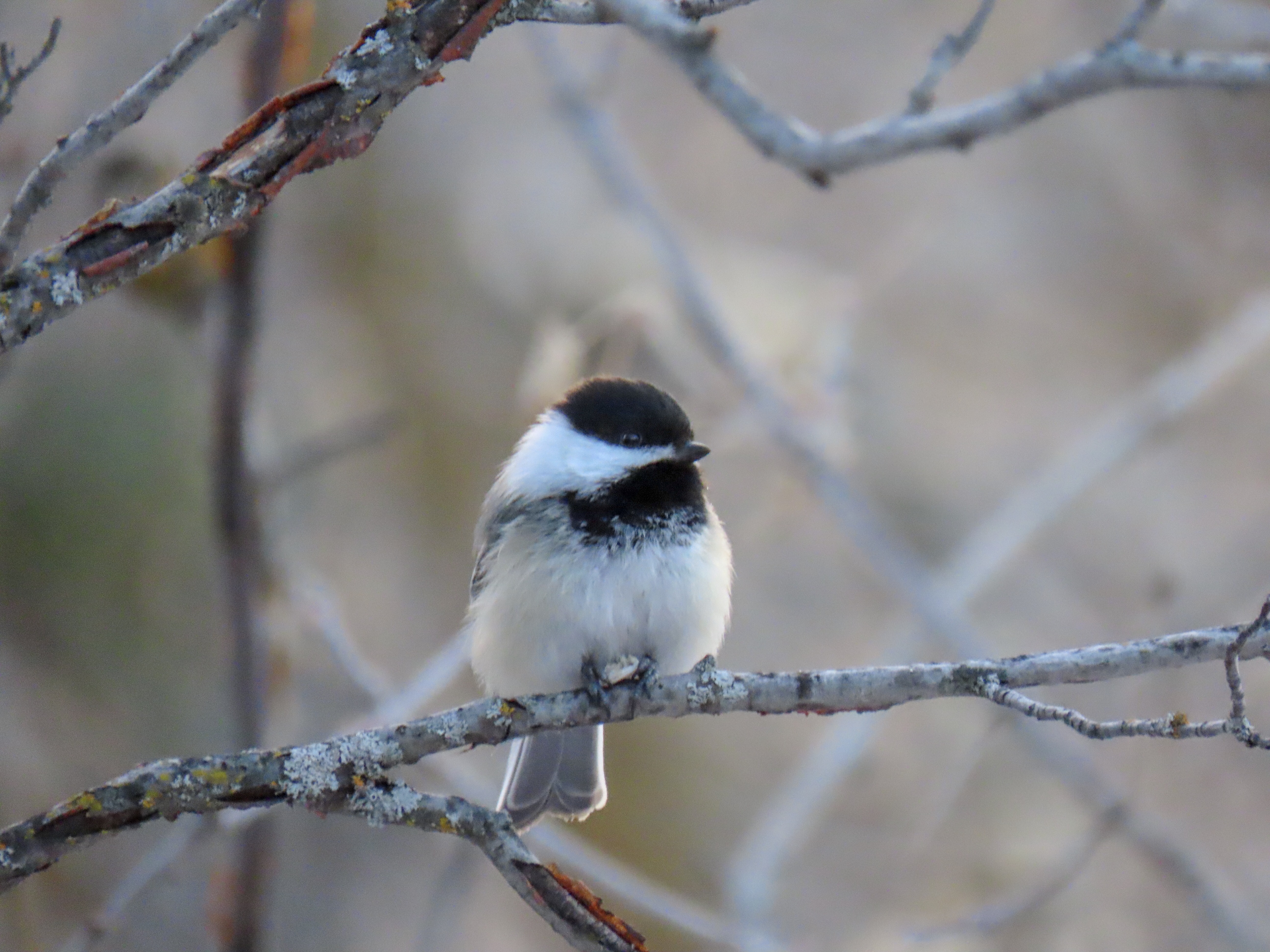
This picture was taken by my son when he first put his hands on our new Canon PowerShot SX70 HS. He took this image in the low light conditions of the understory with full zoom at 1365 mm (35 mm equivalent) at ISO 800. I like how the picture shows the “fluffiness” of the Black-capped Chickadee, which helps to keep them warm in the winter. It also shows a rarely seen phenomenon…, a Black-capped Chickadee sitting still for more than a blink of an eye. These small nonmigratory songbirds seem to be in perpetual motion even during the coldest of winter days. We saw an abundance of Black-capped Chickadees flittering around in the understory during the recent February cold-spell even when temperatures dropped to below -40 °C. It is remarkable how well-adapted these birds are to our harsh climate. To conserve energy on cold nights, they have the ability to go into a state of torpor by lower their body temperature by as much as 10 to 12 °C (their normal body temperature is 42 °C). They may be small, but what they lack in size they make up for in sheer feistiness and awesome attitude. They are constant companions on our nature walk along the creek and are always checking if we bring any treats.

May the curiosity be with you. This is from “The Birds are Calling” blog (www.thebirdsarecalling). Copyright Mario Pineda.